English
 العربية

Patient Guide for Hair Transplant in Turkey
- What is Hair Transplant?
- Why Turkey?
- Before Hair Transplant in Turkey
- After Hair Transplant in Turkey
- Recovery Timeline in Turkey
- Before and After Photos Hair Transplant
What is Hair Transplant?
This patient guide explains everything you need to know about hair transplant procedures, from the basics to advanced techniques and expected results.
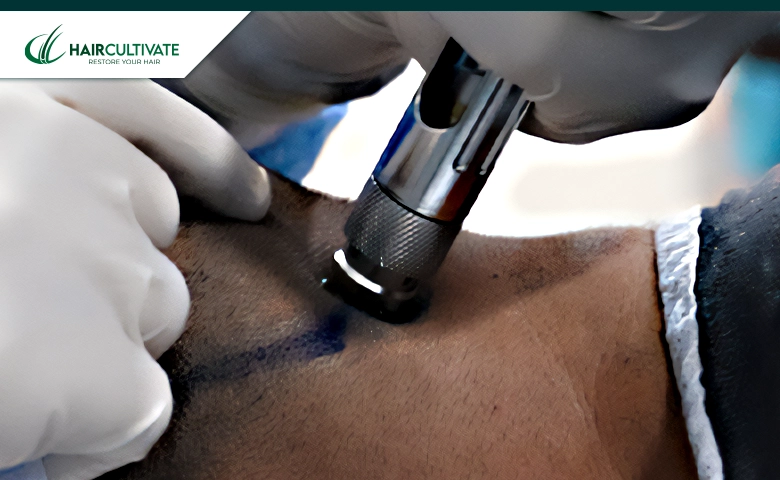
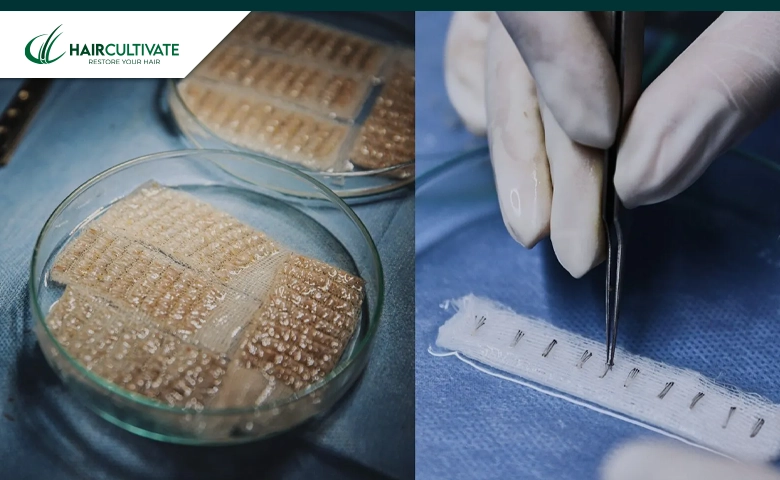
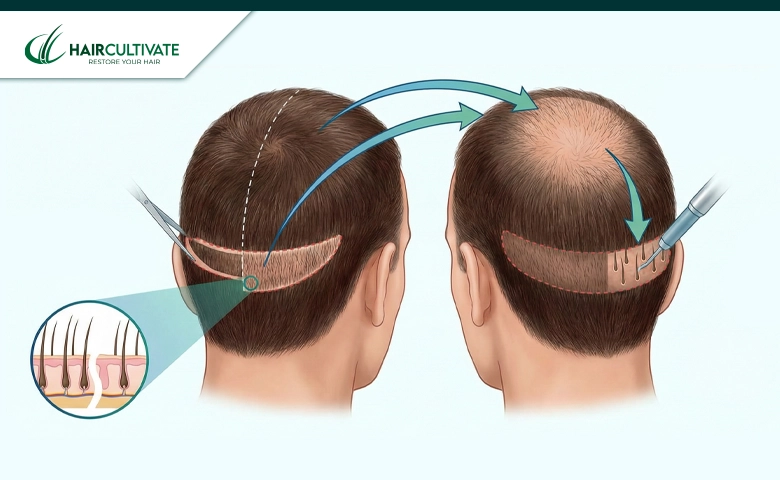
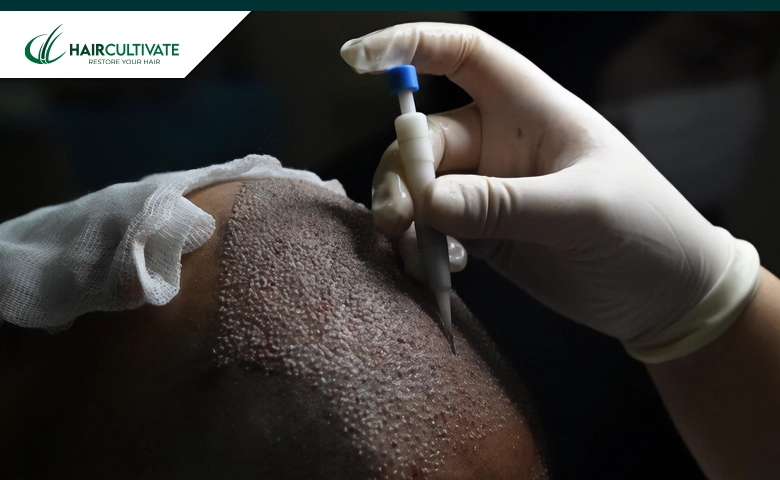
Hair transplant is a medical procedure designed to restore natural hair growth in areas affected by hair loss. It involves extracting healthy hair follicles from a donor area and implanting them into areas where hair is thinning or missing.
Modern techniques such as follicular unit extraction allow specialists to achieve natural looking results with minimal scarring and high precision.
| Aspect | Description |
|---|---|
| Procedure Type | Minimally invasive cosmetic procedure |
| Techniques | FUE, DHI, Sapphire FUE |
| Duration | 6 to 8 hours |
| Results | Permanent natural hair growth |
Why Turkey?
In this patient guide it is important to understand why Turkey has become a global leader in hair transplant treatments.
Turkey offers a unique combination of advanced medical technology, experienced specialists, and affordable prices. Istanbul in particular attracts thousands of international patients every year.
In our daily work at Hair Cultivate we see patients choosing Turkey not only for cost but for expertise, consistency, and natural results.
| Country | Average Cost | Experience Level |
|---|---|---|
| Turkey | 2500 to 4500 USD | Very High |
| USA | 9000 to 15000 USD | High |
| UK | 8000 to 12000 USD | High |
| Germany | 7000 to 11000 USD | High |
Before Hair Transplant in Turkey
A key part of this patient guide is proper preparation before the procedure. Preparing correctly can significantly improve the final results.
The process begins with a consultation where the specialist evaluates your hair loss pattern, donor area, and expectations. A personalized plan is then created.
At Hair Cultivate we focus heavily on this stage because correct planning leads to natural hairlines and balanced density.
| Preparation Step | Details |
|---|---|
| Consultation | Hair analysis and planning |
| Medication | Avoid blood thinning drugs |
| Smoking | Reduce before procedure |
| Hair Care | Follow clinic instructions |
After Hair Transplant in Turkey
This patient guide also highlights the importance of aftercare. The days following the procedure are critical for protecting the transplanted grafts.
Patients may experience mild redness and small scabs, which are normal. Following proper aftercare ensures smooth healing and better results.
At Hair Cultivate we provide detailed aftercare guidance to ensure every patient achieves the best possible outcome.
| Aftercare Step | Purpose |
|---|---|
| Gentle Washing | Protect grafts |
| Avoid Touching | Prevent damage |
| Medication | Reduce swelling |
| Follow Up | Monitor healing |
Recovery Timeline in Turkey
Understanding recovery is an important part of this patient guide. Hair transplant results appear gradually over time.
The first stage focuses on healing, followed by hair growth phases that develop over several months.
| Time Period | What Happens |
|---|---|
| First Week | Healing and scab formation |
| 2 to 4 Weeks | Temporary shedding |
| 3 to 4 Months | New hair growth begins |
| 6 Months | Visible density improvement |
| 12 to 18 Months | Final results |
Before and After Photos Hair Transplant
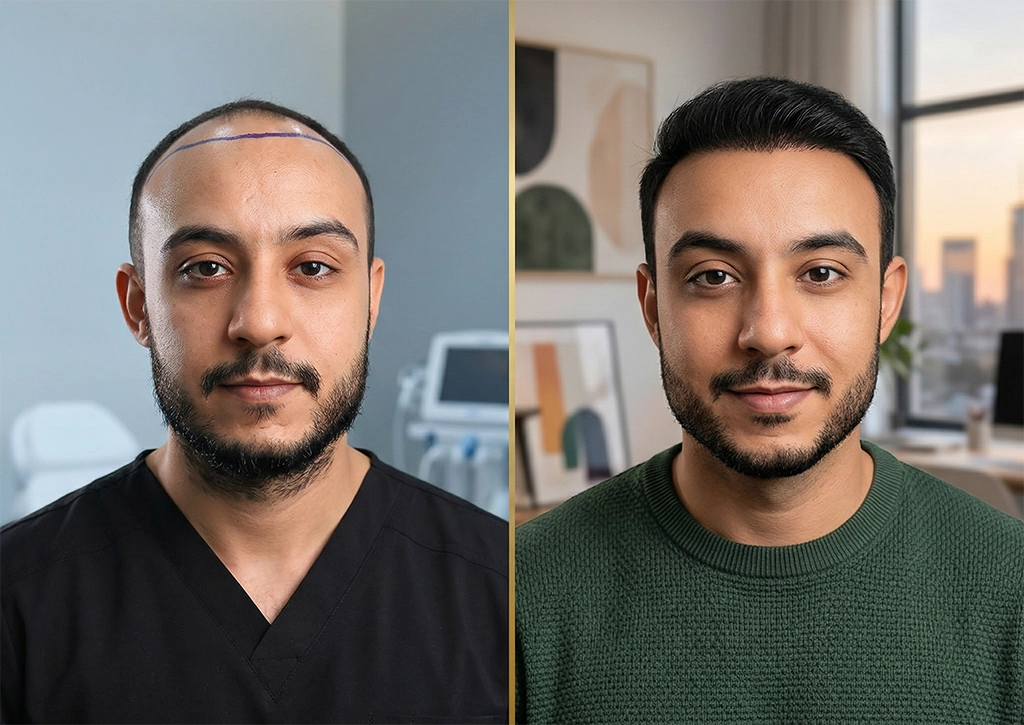
Another important section in this patient guide is reviewing before and after photos. These examples help set realistic expectations.
When evaluating results look for natural hairlines, consistent density, and overall balance.
At Hair Cultivate we always encourage patients to review real results to understand the quality and expected outcome of the procedure.
| What to Check | Why It Matters |
|---|---|
| Hairline Design | Natural appearance |
| Density | Fuller look |
| Consistency | Shows experience |
| Healing | Indicates proper technique |
Conclusion
This patient guide provides a complete overview of the hair transplant journey in Turkey, from understanding the procedure to preparing before and managing recovery after the treatment.
Choosing the right clinic, following proper preparation steps, and committing to aftercare are all essential factors in achieving natural and long lasting results.
In our experience at Hair Cultivate, every successful result starts with a clear plan and realistic expectations. Each patient has a unique hair pattern and goal, which is why personalized treatment is always the key to satisfaction.
If you are considering a hair transplant in Turkey, taking the time to understand the process is the first step toward making a confident decision and achieving the results you are looking for.